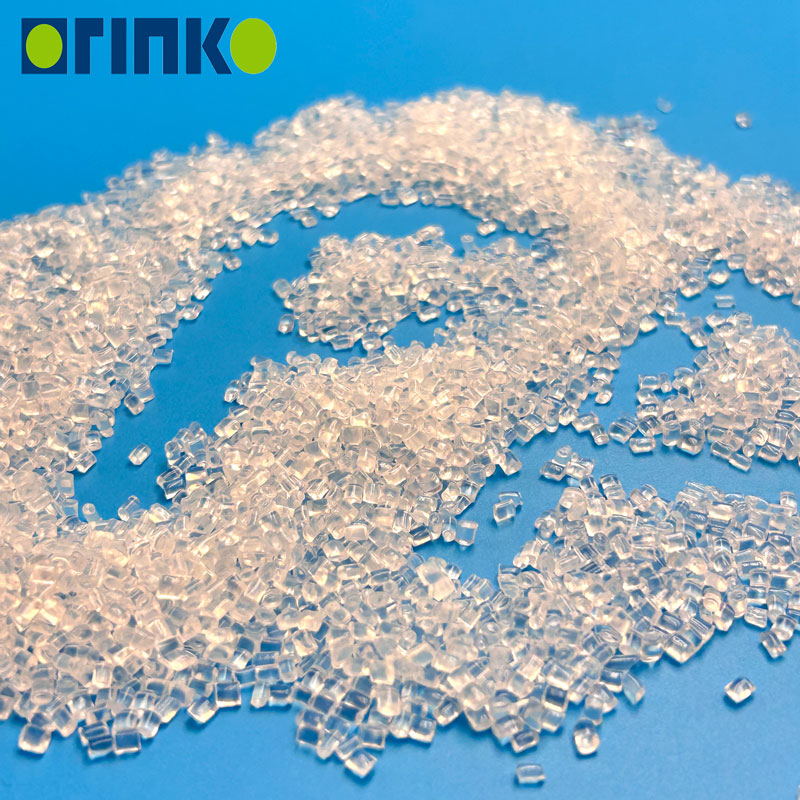
Standard polyamides often fail when precision matters most. Engineers face constant battles against ambient humidity, leading to unpredictable part performance in the field. To solve this, standard plastics like PA6 and PA66 must be carefully evaluated because they are highly hygroscopic. They easily absorb up to 8.5% moisture by weight. This severe moisture uptake leads to unpredictable volumetric swelling, compromised dimensional tolerances, and heavily degraded mechanical properties in demanding applications.
Transitioning to specialized long-chain polymers mitigates this environmental variance. By doing so, manufacturers ensure tight tolerances for automotive, electrical, and fluid-handling components. This guide equips engineering and procurement teams with practical technical evaluation frameworks. You will learn to specify the correct low-moisture grade, adapt your molding processing parameters, and choose a highly capable injection molding partner.
Key Takeaways
Material Selection: Long-chain polyamides (PA610, PA612, PA1012) offer superior dimensional stability by structurally resisting moisture uptake.
Performance Trade-offs: While moisture absorption drops, designers must account for variations in melt temperature, mechanical stiffness, and per-pound resin costs compared to standard PA66.
Processing Imperatives: Even low-moisture resins require stringent pre-drying protocols; failure to properly prepare the resin results in cosmetic and structural molding defects.
Tooling Considerations: Shrinkage rates differ significantly from standard nylons, requiring potential mold modifications to achieve precision tolerances.
The Business & Engineering Problem: Managing Hygroscopic Variability
Moisture acts as a powerful plasticizer in standard polyamides. When water molecules permeate the polymer matrix, they lodge between polymer chains. They disrupt the strong hydrogen bonds holding the material together. This interaction forces the chains apart and increases the free volume within the plastic. For standard PA6 or PA66, this physical change drops tensile strength by up to 30%. It also triggers significant volumetric expansion.
In precision engineering, this expansion causes immediate failures. Tightly toleranced bearings seize. Snap-fit joints lose their holding force. Critical sealing surfaces warp. You cannot rely on standard materials when ambient humidity dictates the physical dimensions of your parts.
To prevent these failures, you must define strict success criteria for your precision parts. We recommend establishing the following baselines:
Maintain less than 0.5% moisture absorption at 50% Relative Humidity.
Retain at least 85% of dry tensile strength in operational environments.
Limit dimensional swelling to strictly match engineered tolerance bands.
However, engineers must also acknowledge the risk of over-engineering. Specialized resins carry a higher initial purchase price. You must evaluate whether the application's operating environment truly demands long-chain polyamides. Sometimes, clever design geometry can compensate for material weaknesses. You might increase wall thickness or add structural ribbing to stiffen standard nylon. If design modifications fail to provide stability, you must upgrade your material. At this point, selecting a reliable Low Water Absorption Nylon Resin becomes a non-negotiable engineering requirement.
Categorizing Low Water Absorption Nylon Resins
Long-chain polyamides solve the moisture problem through chemistry. They utilize longer hydrocarbon chains between their amide groups. These long chains are highly hydrophobic. They naturally repel water molecules and protect the polymer matrix. Understanding the specific profiles of these resins helps you choose the right material for your application.
PA610 Nylon Resin
This material offers significantly lower moisture uptake than standard nylons. Manufacturers often synthesize it partially from renewable resources, such as castor oil. This bio-based origin gives it a favorable sustainability profile. Structurally, it features a ten-carbon chain that provides excellent resistance to water ingress.
It provides an excellent balance of cost, chemical resistance, and dimensional stability. You will frequently see it used in battery casings, industrial gears, and heavy-duty zip ties. Its moderate pricing makes it an accessible upgrade from PA66. By specifying PA610 nylon resin, you gain robust performance without reaching the highest premium cost tiers.
PA612 Nylon Resin
This formulation pushes performance further. It boasts even lower water absorption than PA610. The twelve-carbon diacid chain dramatically increases its hydrophobicity. It is highly resistant to cracking under stress. It also easily withstands exposure to aggressive automotive fluids like brake fluid and road salts.
Engineers consider it ideal for precision automotive parts and fuel line connectors. It is also the industry standard for high-quality toothbrush bristles. These bristles require rapid mechanical recovery and stiffness, even when submerged in water. Utilizing PA612 nylon resin ensures consistent mechanical performance across fluctuating moisture levels.
PA1012 Nylon Resin
This represents the top tier of moisture resistance in this category. It delivers extreme low moisture absorption. It also provides high flexibility and excellent cold-temperature impact strength. The exceptionally long carbon chains make the material incredibly tough, even at -40 degrees Celsius. It sits in a premium cost tier.
You reserve this material for critical aerospace components. It is also perfect for high-end pneumatic tubing and demanding fluid-management systems. When failure is not an option, PA1012 nylon resin delivers unmatched environmental stability and mechanical endurance.
Key Evaluation Criteria for Dimensionally Stable Nylon Resin
Selecting the right material requires rigorous data analysis. You must look past marketing claims and dive into material data sheets (MDS). A common mistake is designing solely around "Dry As Molded" (DAM) figures. These numbers only represent the part the moment it leaves the mold.
Instead, focus on the "Conditioned" state. Conditioning refers to the material reaching equilibrium with ambient humidity (usually 50% RH). You must identify the delta, or change, between DAM and Conditioned dimensional states. If the delta exceeds your tolerance limits, the material will fail in the field.
Mechanical property retention is equally critical. Assess the yield strength and flexural modulus in high-humidity operating environments. Standard nylons lose their stiffness rapidly. Long-chain polyamides maintain their flexural modulus much better. They keep parts rigid and functional.
You must also evaluate chemical and thermal resistance. Check performance against specific aggressive media. Standard nylons suffer stress cracking when exposed to zinc chloride. Long-chain nylons resist this degradation. Additionally, verify the material can survive exposure to hydrocarbons and battery acids. Always match these resistances against your required Continuous Use Temperature (CUT).
Finally, weigh the cost-to-performance ratio carefully. Long-chain polyamides carry a premium per-pound cost. However, they drastically reduce warranty claims and part failure rates. This reduction justifies the upfront material investment. Specifying a true dimensionally stable nylon resin protects your brand reputation.
Material Property Comparison Chart
Material Type
Moisture Absorption (50% RH)
Chemical Resistance
Flexibility
Relative Cost Tier
Standard PA66
2.5% - 3.0%
Moderate
Low
Baseline
PA610
1.0% - 1.5%
High
Moderate
Moderate
PA612
0.8% - 1.2%
Very High
Moderate
High
PA1012
< 0.5%
Exceptional
High
Premium
Implementation Realities: Processing and Pre-Drying Risks
Selecting the right material is only half the battle. Processing determines the ultimate success of your project. The most critical step occurs before the resin ever enters the molding machine.
You must enforce strict pre-drying protocols. Although the resin absorbs less water in the field, it still attracts surface moisture during storage. You must dry it prior to injection molding. Typically, you need to reduce moisture content to below 0.1%. If you fail to dry the material, water boils inside the injection barrel. This causes hydrolysis, which breaks the polymer chains. You will experience a severe loss of molecular weight. The parts might look acceptable, but they will shatter under impact. You will also see cosmetic defects like splay and outgassing marks.
Best Practices for Molding
Always use a desiccant dryer, not a simple hot-air dryer.
Monitor the dew point of the dryer strictly; it should remain below -30°C.
Verify moisture content using a specialized moisture analyzer before initiating production.
Molding parameter adjustments are equally vital. Melt temperatures and mold temperature ranges differ specifically for PA610, PA612, and PA1012. You must follow the resin manufacturer's processing guides closely. Managing injection speed and pressure is crucial. Long-chain nylons flow differently than standard PA66. You must optimize your pack and hold pressures to prevent sink marks in precision geometries.
Tooling and shrinkage rates present a major hurdle. You cannot simply swap an existing PA66 mold to a low water absorption nylon resin. You should expect dimensional shifts. Long-chain nylons generally exhibit different mold shrinkage characteristics due to their distinct crystalline structures. If you use legacy tooling, your parts will likely fall out of tolerance. You must plan for potential mold modifications.
Shortlisting Materials and Injection Molding Partners
Moving from design to production requires a methodical approach. We recommend a robust prototyping strategy to mitigate tooling risks. First, try machining prototypes from extruded stock if available. This validates material stability before you commit massive capital. Next, consider using aluminum soft tooling. Soft tools allow you to test actual mold shrinkage rates. Only after proving the material behaves correctly should you commit to high-cavitation steel production tools.
Selecting the right supplier is paramount. Not all molders understand the nuances of specialty polyamides. Use a comprehensive supplier evaluation checklist to vet potential partners.
Supplier Evaluation Checklist
Do they have documented experience processing specialty long-chain polyamides?
Can they provide moisture-analysis logs from their desiccant dryers prior to molding?
Do their quality control processes include dimensional inspection after conditioning (moisture equilibrium)?
Do they maintain temperature-controlled storage facilities for raw resin?
For your immediate next steps, advise your engineers to request material samples directly from the manufacturers. Review specific MDS documents thoroughly. Pay close attention to the testing methodologies used. Finally, consult with an experienced tooling engineer regarding shrinkage allowances. Proper planning here prevents expensive tool re-cuts later.
Conclusion
Low water absorption nylon resin is never a simple drop-in replacement for standard nylon. It remains a deliberate, highly technical engineering choice. You specify these materials for applications where dimensional precision and environmental stability are non-negotiable. Standard polyamides will let you down when humidity spikes, but long-chain polymers stand firm.
Actionable Next Steps:
Audit your current part failure rates to identify moisture-induced volumetric swelling.
Align your material selection strictly with the specific chemical, thermal, and budgetary constraints of your new project.
Update your engineering drawings to specify "Conditioned" dimensional tolerances rather than "Dry As Molded" dimensions.
Partner with an injection molder who actively utilizes desiccant drying and post-mold conditioning chambers.
FAQ
Q: Can I use my existing PA66 injection mold for PA612 nylon resin?
A: Not directly without risk. PA612 has different shrinkage rates. Because the crystalline structure forms differently as it cools, the final part dimensions will shift. Tooling modifications or a completely new tool may be required to hit precision tolerances.
Q: What makes PA1012 nylon resin different from standard PA12?
A: Differences in molecular structure (carbon chain lengths) dictate variations in crystallinity, flexibility, and melting points, though both offer exceptional moisture resistance. PA1012 often exhibits slightly different thermal mechanical performance profiles compared to standard PA12, making it suited for specialized, high-impact cold environments.
Q: Do dimensionally stable nylon resins still need to be dried before molding?
A: Yes. Surface moisture and minor absorption can still cause hydrolysis during the melt phase. This boiling water violently breaks polymer chains inside the barrel, severely degrading the mechanical properties of the final part even if it looks cosmetically perfect.
Orinko Advanced Plastics Co.,ltd. is an innovator and is dedicated to developing high performance Polymer Materials.Including Nylon/Polyamide, Engineering Plastics etc.