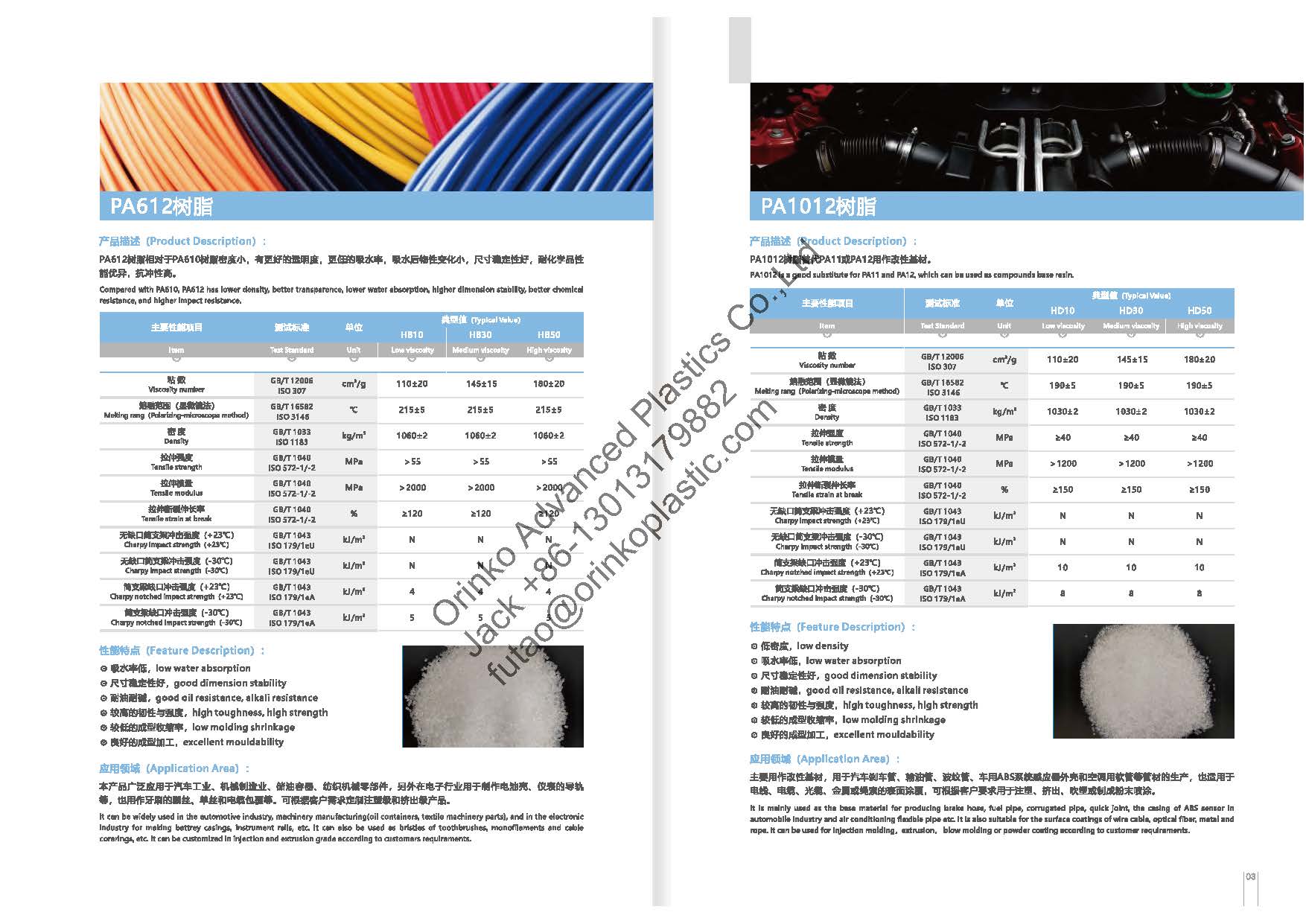
Nylon resin, a versatile and widely used material, has become an integral part of various industries due to its unique properties. From automotive components to everyday household items, nylon resin's characteristics make it an ideal choice for numerous applications. In this article, we will explore the key properties of nylon resin that contribute to its widespread use and popularity.
Mechanical Strength and Durability
Nylon resin is renowned for its exceptional mechanical strength and durability. This material exhibits high tensile strength, which means it can withstand significant stress without breaking. This property makes nylon resin an excellent choice for manufacturing components that require resilience and long-lasting performance. Additionally, nylon resin's durability ensures that products made from it can endure wear and tear over time, maintaining their integrity even under challenging conditions.
Impact Resistance
One of the standout features of nylon resin is its impressive impact resistance. This property allows nylon resin to absorb energy and resist damage when subjected to sudden forces or impacts. As a result, products made from nylon resin are less likely to crack or break, making them suitable for applications where safety and reliability are paramount.
Flexibility and Elasticity
Nylon resin is also known for its flexibility and elasticity. These properties enable the material to bend and stretch without losing its shape or breaking. This flexibility is particularly beneficial in applications where components need to accommodate movement or changes in shape, such as in the automotive and textile industries.
Thermal and Chemical Resistance
Nylon resin exhibits excellent thermal and chemical resistance, making it suitable for use in environments where exposure to heat and chemicals is common. This property allows nylon resin to maintain its structural integrity and performance even when subjected to high temperatures or corrosive substances.
Heat Resistance
One of the key properties of nylon resin is its ability to withstand high temperatures. This heat resistance makes nylon resin an ideal material for applications that involve exposure to heat, such as engine components and electrical insulators. Nylon resin can endure temperatures that would cause other materials to degrade, ensuring the longevity and reliability of products made from it.
Chemical Stability
Nylon resin's chemical stability is another significant advantage. It is resistant to a wide range of chemicals, including oils, solvents, and acids. This resistance ensures that nylon resin maintains its properties and performance even when exposed to harsh chemical environments, making it a preferred choice for industrial applications.
Moisture Absorption and Electrical Properties
While nylon resin offers numerous benefits, it is essential to consider its moisture absorption properties. Nylon resin can absorb moisture from the environment, which can affect its mechanical and electrical properties. However, this characteristic can be managed through various treatments and additives to enhance its performance.
Moisture Management
To mitigate the effects of moisture absorption, manufacturers often incorporate additives or apply treatments to nylon resin. These measures help maintain the material's mechanical strength and dimensional stability, ensuring that products made from nylon resin perform optimally even in humid conditions.
Electrical Insulation
Nylon resin is an excellent electrical insulator, making it a valuable material for electrical and electronic applications. Its insulating properties help prevent electrical currents from passing through, ensuring the safety and efficiency of electronic components and systems.
Applications and Versatility
The unique properties of nylon resin make it a versatile material suitable for a wide range of applications. Its combination of strength, durability, thermal resistance, and chemical stability allows it to be used in various industries, including automotive, aerospace, textiles, and consumer goods.
Automotive and Aerospace
In the automotive and aerospace industries, nylon resin is used to manufacture components such as gears, bearings, and fuel lines. Its ability to withstand high temperatures and resist chemical exposure makes it an ideal choice for these demanding applications.
Textiles and Consumer Goods
Nylon resin is also prevalent in the textile industry, where it is used to produce durable and flexible fabrics. Additionally, its versatility makes it suitable for consumer goods such as kitchen utensils, sports equipment, and toys, where its strength and resistance to wear are highly valued.
In conclusion, nylon resin's key properties, including its mechanical strength, thermal and chemical resistance, and versatility, make it an indispensable material across various industries. By understanding these properties, manufacturers can harness the full potential of nylon resin to create products that meet the demands of modern applications. Whether in automotive, aerospace, textiles, or consumer goods, nylon resin continues to be a material of choice for those seeking reliability and performance.


