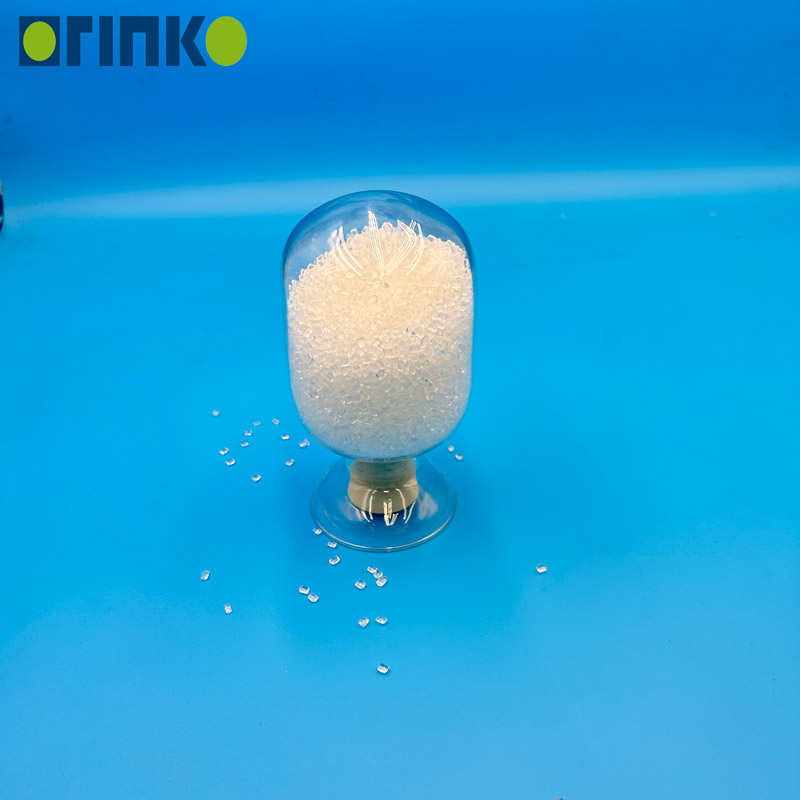
For decades, engineers have relied heavily on legacy polyamides for demanding applications. These materials deliver exceptional flexibility, strong chemical resistance, and high performance in extreme environments. Manufacturers routinely trust them across numerous critical industrial sectors. However, current industry pressures actively challenge this historical reliance. Severe supply chain bottlenecks and aggressive cost optimization mandates compel procurement teams to look elsewhere. Ambitious corporate sustainability goals further drive the urgent search for viable material options. Enter PA1012, a highly capable yet frequently overlooked polymer. It effectively bridges specific performance gaps existing between conventional legacy materials. Engineers increasingly recognize its unique value in stabilizing complex production lines. This article evaluates the technical feasibility and cost-to-performance ratios of substituting older polyamides. We will explore the practical processing realities of integrating this alternative into existing workflows. You will gain actionable insights to determine if it suits your next project.
Key Takeaways
Material Classification: PA1012 is a high-performance long-chain nylon resin sharing critical baseline characteristics (low moisture absorption, high dimensional stability) with PA11 and PA12.
Performance Positioning: It generally offers flexibility and impact resistance comparable to PA11, with processability and chemical resistance closely mirroring PA12.
Strategic Substitution: PA1012 acts as an optimal PA11 alternative nylon resin when raw material costs or bio-based sourcing constraints arise, and a PA12 alternative nylon resin when slightly better low-temperature toughness is required.
Adoption Caveat: Direct "drop-in" replacement is rarely 1-to-1; tooling, shrinkage rates, and thermal processing profiles require validation.
The Business Case for Exploring PA11 and PA12 Alternatives
Strictly specifying a single legacy material introduces significant commercial vulnerability. Single-source supplier networks frequently experience disruptive bottlenecks. Raw material price volatility further complicates annual budgeting. When global supply chains stall, manufacturers face unacceptably long lead times. These delays threaten to halt entire assembly lines. Procurement teams must identify alternative materials to mitigate these pressing risks.
A successful material substitution requires meeting several strict criteria. First, the new material must maintain all critical mechanical thresholds. Second, it must achieve measurable cost optimization without sacrificing durability. Third, the substitute must pass rigorous industry-specific compliance testing. Engineers cannot compromise on safety or end-use performance. They need a polymer capable of enduring harsh operational environments.
The commercial emergence of PA1012 polyamide resin offers a strategic middle-ground. Manufacturers actively seek resilient supply chains today. They want reliable material availability alongside premium engineering properties. PA1012 delivers on both fronts. It allows engineering teams to diversify their material portfolios confidently. You can reduce supply chain risks while retaining essential polymer benefits.
Understanding Long-Chain Nylon Resins: Molecular Impacts on Performance
Carbon chain length fundamentally dictates material behavior. The numbers "10" and "12" refer directly to carbon atoms within the polymer monomers. Longer carbon segments spread out the amide groups along the polymer backbone. This reduced amide density directly alters how the material interacts with its environment. It changes melting points, flexibility, and overall toughness.
Moisture absorption heavily depends on this molecular structure. Shorter-chain plastics absorb water rapidly from humid air. This moisture swells the material and degrades mechanical strength over time. Conversely, a long-chain nylon resin naturally repels excessive water ingress. All three of these legacy and alternative resins share this vital trait. They maintain excellent dimensional stability even in continuously wet environments. Parts keep their exact molded shape.
Sourcing transparency also plays a critical role in material selection today. Many companies prioritize strong Environmental, Social, and Governance (ESG) narratives. PA11 derives entirely from renewable castor oil. PA12 comes strictly from synthetic petrochemical processing. PA1012 often features a hybrid composition. It utilizes partially bio-based sebacic acid alongside synthetic diamines. This provides a highly balanced sustainability profile.
Core Evaluation Dimensions: PA1012 vs. Legacy Polyamides
Evaluating these materials requires comparing their precise engineering properties. The following chart outlines the comparative baseline metrics across critical categories.
Performance Dimension
PA11
PA12
PA1012
Tensile Strength
High
Moderate to High
High (Comparable to PA11)
Flexibility / Elongation
Excellent
Good
Excellent
Low-Temp Impact
Superior
Adequate
Superior (Outperforms PA12)
Chemical Resistance
Strong
Excellent
Excellent (Mirrors PA12)
Specific Gravity (Density)
1.03 - 1.05
1.01 - 1.02
1.04 - 1.06
Mechanical strength and flexibility heavily influence part design. PA1012 provides exceptional elongation at break and robust tensile strength. It routinely matches the flexibility found in premium castor-based polymers. Notably, it exhibits superior low-temperature impact resistance compared to standard synthetic options. Parts subjected to freezing conditions resist cracking much better.
Chemical and environmental resistance remain non-negotiable in industrial settings. Engineers must evaluate how materials withstand aggressive hydrocarbons and automotive fluids. PA1012 demonstrates remarkable inertness against zinc chloride and brake fluids. UV stability and thermal aging profiles also closely parallel traditional options. Components endure prolonged outdoor exposure without rapid degradation.
Density considerations directly impact lightweighting initiatives. Automotive and aerospace sectors continuously seek lighter components to improve fuel efficiency. The slight variations in specific gravity among these three materials are minimal. However, utilizing a high-performance PA1012 Nylon Resin ensures you meet strict weight targets. You maintain structural integrity while shaving off crucial grams.
Application Matchmaking: When to Execute a Substitution
Selecting the right application for substitution ensures a smooth manufacturing transition. Pneumatic tubing and fluid handling systems represent perfect candidates. Air brakes and fuel lines demand high burst pressure capabilities. They also require absolute chemical inertness. PA1012 serves as a robust PA12 alternative nylon resin in these critical fluid pathways. It handles constant pressurization safely.
Cable jacketing and wire coating present another excellent opportunity. Harsh outdoor environments subject cables to severe physical abuse. You need high abrasion resistance and lasting flexibility. PA1012 functions brilliantly as a PA11 alternative nylon resin here. It shields sensitive internal wiring from friction, moisture, and extreme temperature fluctuations.
We must clearly distinguish between 3D printing and traditional molding contexts. Legacy polymers currently dominate powder bed fusion technologies like SLS and MJF. You will see them heavily marketed in the additive manufacturing space. Conversely, PA1012 shows immense readiness and maturity in traditional injection molding and extrusion. Engineers should target high-volume extrusion profiles and molded structural parts for substitution.
Implementation Realities and Adoption Risks (Experience & Expertise)
Treating any new polymer as a perfect "drop-in" substitute invites failure. Every resin possesses a unique thermal processing profile. Melt temperatures require careful calibration before you begin production. If you run equipment at legacy settings, you risk polymer degradation. Operators must adjust barrel temperatures and optimize mold cooling rates. Consistent thermal management prevents structural defects.
Shrinkage rates directly affect dimensional tolerances and tooling investments. Dimensional differences exist between molecularly distinct polymers. Using legacy molds without assessing these differences causes significant issues. You face a high risk of part warping and dimensional inaccuracy. Engineering teams must recalibrate shrinkage tolerances before approving full-scale runs. Tooling modifications might be necessary for precision components.
Transitioning materials also uncovers regulatory and compliance blind spots. Procurement teams cannot overlook strict industry certifications. Changing your base material voids prior compliance approvals automatically. Automotive components require fresh SAE testing. Food-contact applications demand rigorous FDA review. Industrial safety parts need updated ISO certifications. Always allocate sufficient time and resources for comprehensive laboratory re-certification.
Next Steps: Validating PA1012 Nylon Resin for Your Production
Determining if a project warrants the testing investment requires a logical approach. We recommend following a structured shortlisting process to validate the switch.
Assess Annual Volume: Calculate if your production volume justifies potential re-tooling and re-certification investments.
Evaluate Lead Times: Review current legacy material delays. If delays exceed acceptable limits, alternative testing becomes urgent.
Define Mechanical Thresholds: Map out exact impact, thermal, and chemical requirements to ensure the alternative polymer meets them.
Prototyping and material sampling form the foundation of successful adoption. Always request specific Technical Data Sheets (TDS) before ordering raw material. Compare the physical properties directly against your current specifications. Start the physical validation with small-batch extrusion or single-cavity molded prototypes. Never rush directly into full-scale production runs without validating prototype performance first.
Supplier qualification guarantees long-term manufacturing stability. Thoroughly vet your new material suppliers for batch-to-batch consistency. Inconsistent resin grades ruin product reliability. Furthermore, check their compounding capabilities. You may need specialized variants eventually. Ensure they can supply custom glass-filled, plasticized, or impact-modified Nylon Resin to meet future design iterations.
Conclusion
Substituting legacy polyamides is never about finding an exact identical twin. It involves identifying a capable material that fully meets specific engineering tolerances. You must align molecular characteristics with the distinct demands of your application. The right substitute offers a strategic balance of availability and physical toughness.
PA1012 stands out as a mature and commercially viable engineering lever. It empowers procurement and engineering teams to optimize costs effectively. You maintain high-end mechanical performance while securing a resilient supply chain. Keep the following actionable steps in mind:
Cross-reference current lead times against future production schedules.
Request technical data sheets from qualified resin suppliers immediately.
Prioritize extrusion and injection molding applications for initial testing.
Allocate budget for prototype validation and necessary compliance re-certification.
FAQ
Q: Is PA1012 a direct drop-in replacement for PA12?
A: No. While functionally similar in end-use applications, it is rarely a perfect drop-in. Processing parameters require careful adjustment. Operators must recalibrate specific melt temperatures, mold cooling rates, and expected shrinkage tolerances to prevent part warping.
Q: How does the cost of PA1012 compare to PA11?
A: PA1012 typically offers a noticeable cost advantage over purely castor-derived PA11. However, exact savings depend heavily on specific compounding requirements, current market conditions, and ordered volumes. It provides excellent cost optimization for high-volume manufacturing.
Q: Is PA1012 polyamide resin bio-based?
A: It features a hybrid chemical nature. Manufacturers usually derive it from a mix of bio-based sebacic acid and petroleum-based diamines. This partial bio-based origin offers an excellent middle ground for companies targeting corporate sustainability goals.
Q: Which long-chain nylon resin is best for extreme cold?
A: PA11 historically dominates extreme low-temperature applications due to its exceptional flexibility. However, PA1012 closely matches this performance, offering much better low-temperature impact toughness compared to standard synthetic PA12.
Orinko Advanced Plastics Co.,ltd. is an innovator and is dedicated to developing high performance Polymer Materials.Including Nylon/Polyamide, Engineering Plastics etc.