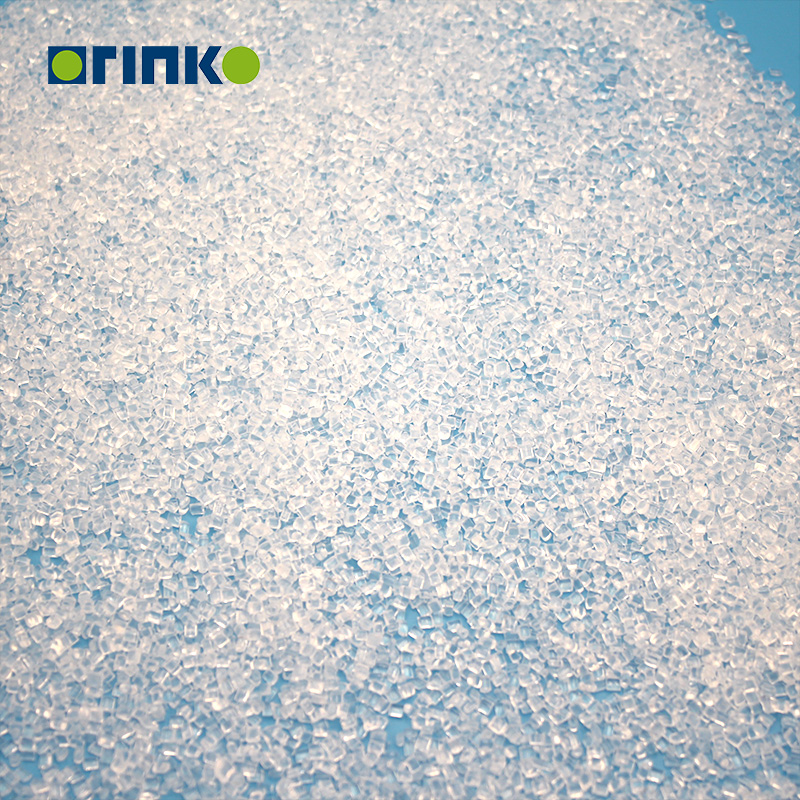
Material engineers and procurement teams are increasingly diversifying their polymer supply chains. Historical shortages and price volatility in legacy PA11 and PA12 markets force teams to adapt. The shift toward advanced engineering plastics requires materials capable of weathering harsh chemical environments. Parts must endure extreme temperatures and high humidity without degrading. Modern mechanical assemblies demand zero compromises on longevity or precision. This makes finding stable, scalable alternatives crucial for ongoing project success. Long-Chain Nylon Resin provides the essential dimensional stability and chemical resistance required for high-stakes applications. It offers viable, sometimes superior, alternatives to traditional short-chain (PA6/PA66) and constrained long-chain (PA12) options. In this article, you will learn exactly how these advanced materials perform. We will explore specific property upgrades, processing realities, and selection strategies. You will discover how substituting these polymers secures production lines and boosts overall mechanical performance.
Key Takeaways
Strategic Alternatives: PA610, PA612, PA1010, and PA1012 serve as robust alternatives to standard PA12, offering tailored balances of flexibility, chemical resistance, and cost.
Performance Upgrade: Long-chain nylons function as low water absorption polyamides, maintaining mechanical integrity and dimensional stability in high-moisture environments where PA6 and PA66 fail.
Sustainability & Compliance: PA610 and PA1010 offer significant bio-based carbon content, aligning with ESG requirements without sacrificing engineering grade performance.
Risk Mitigation: Transitioning to these resins requires careful evaluation of mold shrinkage, thermal processing parameters, and application-specific testing (e.g., wear resistance, transparency).
The Engineering Case: Moving Beyond PA6, PA66, and PA12
Traditional short-chain nylons present significant limitations in demanding environments. Materials like PA6 and PA66 contain a high density of amide groups along their polymer backbone. These polar groups attract water molecules through hydrogen bonding. When exposed to humidity or liquid, the material absorbs moisture rapidly. This absorption leads to volumetric swelling. Parts lose their dimensional stability and fall out of tolerance. Furthermore, absorbed water acts as a plasticizer. It severely compromises the tensile strength and stiffness of the molded component.
Engineers historically turned to PA12 to solve this moisture problem. However, the PA12 supply chain contains notorious bottlenecks. The industry relies heavily on a few critical precursors. Single-source dependencies have triggered global shortages in the past. These sudden supply shocks halted automotive and industrial manufacturing lines globally. Such vulnerabilities force modern manufacturers to qualify alternative architectures to protect their operations.
You can solve these dual challenges by adopting alternative long-chain materials. Increasing the carbon segment length between amide groups drastically changes the material profile. The reduced amide frequency yields a low water absorption polyamide. These advanced polymers resist hydrolysis effectively. They also repel road salts, battery acids, and aggressive automotive fluids. They bridge the performance gap while decentralizing supply chain risks.
Evaluating the Core Materials: PA610, PA612, PA1010, and PA1012
Understanding the unique chemical profile of each variant ensures optimal material selection. The number of carbon atoms dictates flexibility, density, and thermal limits. We evaluate the four primary candidates below.
PA610
Manufacturers synthesize PA610 nylon resin using hexamethylenediamine and sebacic acid. The sebacic acid derives directly from castor oil. This gives the material a partially bio-based footprint. It balances cost-efficiency with high-end chemical resistance. Parts molded from it show excellent durability against battery acids and zinc chloride. It represents the best choice for applications needing moderate flexibility alongside strict eco-compliance.
PA612
In contrast to its castor-derived sibling, PA612 nylon resin relies primarily on petroleum feedstocks. It focuses heavily on structural rigidity. It offers tighter dimensional tolerances and lower moisture uptake than PA610. You will see superior wear resistance in cyclic friction scenarios. This specific resilience makes it the industry standard for industrial brush bristles. Engineers also specify it for demanding monofilaments and high-pressure automotive fluid lines.
PA1010
When sustainability drives the project, PA1010 nylon resin provides an exceptional solution. Both of its monomers can originate from renewable castor oil. This creates a polymer with 100% bio-based potential. It delivers high flexibility and outstanding optical properties. Manufacturers can produce highly translucent or transparent grades. It functions ideally for pneumatic tubing and optical cable jacketing. Here, flexibility, optical clarity, and ESG metrics seamlessly intersect.
PA1012
We view PA1012 nylon resin as the closest structural cousin to standard PA12. It delivers exceptional cold-temperature impact resistance. The material features an incredibly low density, saving weight in mobility applications. It stands as the primary candidate for drop-in replacements in fuel lines. Specialized extrusion profiles also benefit heavily from its thermal stability.
Below is a comparative summary chart outlining their core attributes:
Resin Type
Primary Feedstock
Key Performance Strength
Ideal End-Use Application
PA610
Partially Bio-based
Battery acid & zinc chloride resistance
Eco-compliant industrial housings
PA612
Petroleum-based
High wear resistance & structural rigidity
Monofilaments & high-pressure lines
PA1010
Up to 100% Bio-based
Translucency & high flexibility
Optical jacketing & pneumatic tubing
PA1012
Petroleum/Mixed
Cold-impact resistance & low density
Automotive fuel lines & extrusions
Mapping Material Properties to End-Use Outcomes
Selecting a material requires aligning molecular characteristics with real-world operating conditions. Different industries value specific metrics over others. We must map the inherent properties of long-chain nylons to precise engineering outcomes.
Automotive and Fluid Handling
Modern vehicles expose components to aggressive chemicals. Biofuels, modern coolants, and brake fluids aggressively attack standard plastics. Automotive engineers must evaluate burst pressure retention over millions of thermal cycles. Materials like PA612 and PA1012 excel here. They maintain high hoop strength even when saturated. They resist internal pressure expansions better than PA6. Extruded fuel lines rely on these long-chain polymers to prevent hydrocarbon permeation. This containment keeps emissions compliant and ensures engine safety.
Electrical and Electronics (E&E)
Electronic components face unique environmental stressors. High humidity alters the conductive properties of insulating plastics. Short-chain nylons absorb water, which increases their electrical conductivity. This can lead to dangerous short circuits or signal interference. By using a long-chain alternative, manufacturers leverage inherently low moisture absorption. This stability maintains a consistent dielectric strength over the entire product lifecycle. Sensors, connectors, and wire harnesses remain insulated and reliable regardless of external weather conditions.
Specialty Grades and Consumer Goods
Advanced polymers extend beyond under-the-hood applications. Consumer wearables demand skin-safe, durable, and aesthetically pleasing materials. Engineers frequently shortlist transparent grades for smart glasses and fitness trackers. High wear resistance formulations prove essential for industrial sliding components. Gears, bearings, and conveyor guides benefit from the natural lubricity found in these specialty grades. They reduce friction, eliminate the need for external greases, and extend mechanical lifespans.
Best Practice: Always request long-term fatigue data when replacing metal parts with polymer sliding components.
Common Mistake: Ignoring UV degradation. Ensure you specify UV-stabilized grades if the transparent application faces outdoor exposure.
Implementation Realities and Supply Chain Strategy
Switching resin families involves more than updating a bill of materials. You must address physical processing realities to guarantee a smooth transition. Manufacturing floors face distinct challenges when changing their base polymers.
Tooling and Shrinkage Considerations
Every polymer shrinks as it cools inside an injection mold. PA12 possesses a specific shrinkage rate. When you migrate from PA12 to PA610 or PA612, the new material cools differently. Crystalline structures form at different speeds. This alters the final volumetric shrinkage. You must rigorously assess these mold shrinkage differences. Avoid assuming any polymer functions as a perfect "drop-in" replacement. Existing tooling often requires modifications. You might need to adjust gate sizes, alter cooling channel flow, or recut core pins to maintain tight tolerances.
Processing Parameters
Thermal profiles demand strict attention. Long-chain nylons require precise drying protocols before processing. Moisture present during melting causes catastrophic molecular degradation. You must dry the pellets properly using desiccant dryers. Typical drying temperatures range around 80°C to 90°C. Furthermore, extrusion line compatibility needs verification. Barrel temperatures, screw designs, and die pressures change when running longer-chain molecules. Operators should optimize the temperature profile to prevent material shearing or thermal burning.
Crucial Implementation Steps
Audit current mold dimensions against the target material's shrinkage data sheet.
Calibrate desiccant dryers to the exact dew point specified by the resin manufacturer.
Run a small batch flow test to optimize injection speed and holding pressure.
Measure the first article inspection (FAI) parts after they condition to ambient humidity for 48 hours.
Shortlisting Logic: How to Choose the Right Long-Chain Resin
Navigating the various grades requires a systematic approach. You can eliminate guesswork by following a structured qualification logic. This ensures the final material perfectly satisfies the functional and environmental demands.
Step 1: Define the Moisture Baseline
Begin by mapping the ambient environment. You must decide if the application requires strict, absolute low water absorption. If the part operates fully submerged or in tropical humidity, prioritize PA1010 or PA1012. If the environment sees only occasional splashing, moderate stability materials like PA610 might suffice. Defining this baseline prevents over-engineering.
Step 2: Establish Chemical Exposure Parameters
Identify every chemical the part will encounter. Map out hydrocarbons, modern biofuels, cleaning agents, and road salts. If the component sits near batteries, zinc chloride and battery acid resistance become paramount. In such highly acidic environments, PA610 typically outperforms its peers. For continuous exposure to pressurized hydraulic fluids, shift your focus toward PA612.
Step 3: Audit ESG Mandates
Corporate sustainability goals heavily influence modern procurement. You must audit project mandates regarding carbon footprints. Does the final product require a measurable bio-carbon reduction? If the corporate strategy dictates green sourcing, prioritize PA610 or PA1010. Their castor oil origins drastically lower reliance on fossil feedstocks. This helps secure eco-certifications and aligns with modern ESG reporting standards.
Step 4: Prototype and Validate
Never bypass physical validation. Simulation software provides great approximations, but physical testing reveals true part performance. You should machine or 3D print initial prototypes if possible, or use prototype soft tooling. Test the fatigue limits rigorously. Subject the molded pieces to cold-impact testing (e.g., ISO 179 Charpy impact tests at -40°C). Validate wear resistance in cyclic friction rigs. Complete these validations before authorizing full-scale production tooling.
Conclusion
Long-chain nylon resins have evolved significantly. They are no longer just niche specialty polymers reserved for rare use cases. They act as central pillars for mitigating supply chain risk and meeting advanced engineering demands. By understanding the distinct advantages of these materials, you empower your organization to build lighter, stronger, and more resilient products.
To move forward effectively, take these actionable steps:
Advise your procurement and engineering teams to request updated Material Data Sheets (MDS) from trusted suppliers immediately.
Order sample pellets for in-house flow testing and thermal profiling.
Initiate parallel qualification processes for at least two different long-chain grades to secure and diversify your material pipelines long-term.
FAQ
Q: What defines a "long-chain" nylon resin?
A: A long-chain nylon resin is defined by the carbon numbers between its amide groups. Typically, these polymers contain 10 or more carbon atoms in their repeating monomer segments. This increased spacing results in significantly lower polarity. The reduced polarity directly translates to lower moisture uptake and improved chemical resistance compared to short-chain variants.
Q: Can PA612 or PA1012 serve as a direct drop-in replacement for PA12?
A: They serve as highly functional alternatives, but they are rarely true 1:1 drop-ins. The molecular differences affect crystallization and cooling rates. You will likely need to make minor adjustments to processing temperatures. Furthermore, strict mold shrinkage tolerance validation is required before committing to existing tooling.
Q: Why is low water absorption critical for polyamide applications?
A: Absorbed water acts as a plasticizer within the polymer matrix. This moisture drops the material's glass transition temperature (Tg). As a result, the part loses stiffness and mechanical strength. It also causes volumetric swelling, pushing precisely engineered components out of their designated dimensional tolerances.
Q: Are PA610 and PA1010 completely sustainable?
A: PA1010 can be nearly 100% bio-based because both monomers derive from castor oil. PA610 is typically around 60% bio-based, relying on a mix of renewable and petroleum inputs. Both significantly lower reliance on fossil feedstocks, though they still require standard industrial recycling processes at the end of their lifecycle.
Orinko Advanced Plastics Co.,ltd. is an innovator and is dedicated to developing high performance Polymer Materials.Including Nylon/Polyamide, Engineering Plastics etc.